 I’m posting about the different kinds of soil that Jesus said was contained in our hearts. Today’s is about someone with very good soil. It produced bountifully. The problem was that it wasn’t producing fruit.
Instead, it raised a great crop of thorns and thistles. Then the few good plants that sprung up were choked out before they produced anything.
Still others, like seed sown among thorns, hear the word; but the worries of this life, the deceitfulness of wealth and the desires for other things come in and choke the word, making it unfruitful.
Mark 4:18-19
These believers get further along than the other groups. They believe the Word and actually let it take root in their lives. Their problem is that they let other things grow right along next to it.
The first plant Jesus mentions is the distractions of this age, in the original Greek. What a description of the modern Christian – DISTRACTED! It’s not that we’ve turned our backs on God. On the contrary, we want God’s best – His Word and His grace. The trouble is that we want the world’s best right along with it. We’re getting distracted by the things of the world.
Right along with that is the delusion of wealth. When we think of wealth, it tricks us into believing that it can supply all of our needs. The truth is that wealth can only obtain material possessions.
Wealth can never satisfy the longing of our souls. If it could, you would never hear of a wealthy person committing suicide. The thing we need to put into perspective is that only the things that come from the Word of God are truly able to fulfill our lives.
The third plant that grows next to the Word is simply desires. What the verse implies is that this is a desire for the things that were given up in order to follow after God. When we start looking back at these things with longing in our hearts, it’s a sure road to failure.
Please understand that it’s not doing the former things that causes the trouble, it’s the desire to do it.
The biggest thing that the Christians of this generation need to realize is that you can’t have it all, no matter what any televangelist will tell you. You can’t have the power of God manifest in you, as well as everything your flesh desires.
It’s a well-known principle of farming. When weeds and valuable crops are allowed to grow in the same space, it’s the weeds that will win out every time.
We’re so quick to blame God.
“Oh God, I planted the Word. Why is there no harvest? Why have you failed me?”
I’m here to inform you, it wasn’t God who failed. Everything grew as God ordained it to. It was the weeds in your life that choked out the Word before it was able to produce fruit in you. That’s why there was no harvest.
Question: How are you keeping your heart free from weeds?
© Nick Zaccardi 2013
Tags: are you distracted, Christ, delusion, desires, distracted, distractions, flesh, good soil, harvest, heart, Jesus, parable, power of God, thistles, thorns, unfruitful, wealth, weeds, word of God
 I’m posting about the different “heart soils” in Luke 8. Today I’ll deal with the rocky soil. This is about rocks with only a thin layer of dirt to cover them. The seed germinates and springs up quickly. But just as quick, the sun comes out, scorches the plant, and it withers and dies.
Jesus explained the spiritual application this way.
“Those on the rock are the ones who receive the word with joy when they hear it, but they have no root. They believe for a while, but in the time of testing they fall away.”
Luke 8:13
This verse literally says is that these people receive the Word in the middle of joy. It sounds like camp meeting to me. There’s excitement in the air. The whole atmosphere of the meeting is charged with a heavenly joy. It’s easy to believe in a place like that.
We’re not talking about people who don’t believe what they hear. They believe it’s for them. The problem is that what has sprung up so quickly, also withers just as quick. What is it that withers?
For, “All men are like grass, and all their glory is like the flowers of the field; the grass withers and the flowers fall, but the word of the Lord stands forever.” And this is the word that was preached to you.
1 Peter 1:24-25
What withers is the glory of man. This type of person hears the Word and believes that it’s “all about me.” That’s why there’s all the joy and excitement. They think that the Word is for my blessing, health, and prosperity. Forget about what God’s ultimate purpose is. It’s me that’s important.
The Lord says that in this rocky heart there is some faith exhibited for a while, but it doesn’t last long. Eventually trials and testings will come. When this happens, Jesus literally says that they will become offended. Why does Christ use this word?
When I go through a time of testing, I realize that it’s not all about me. I get offended that I’m not the center of all the attention. I don’t want the spotlight on Christ and what He’s trying to accomplish in me. I want the priority to be my comfort and happiness. The result is that I get offended and walk away from the Lord and His plan for my life.
If I want my heart prepared for an abundant harvest, I must assume that the Word of God spotlights Jesus Christ. I must desire to know His heart. There are many who read the Bible and pursue God only for what they can get from Him. The big question on their minds is, “What’s in it for me?”
Instead, we should be focusing on God’s eternal purpose – to draw all humanity into His kingdom. The blessings of God are great, but they’re not an end in and of themselves.
God has promised us prosperity, but it’s to finance the spread of the Gospel. God has promised us health and healing, but it’s so that we can minister the Good News of His love to the best of our ability.
All the promises of God should be viewed through the filter of God’s will and plans. That’s what’s missing in the shallow faith of rocky soil. We need to keep our hearts clear of the rocks of self-centeredness.
Question: How is God working through you to bring about His purpose?
© Nick Zaccardi 2013
Tags: abundant harvest, blessing, blessing of God, Christ, faith, glory of man, God's purpose, health, Jesus, joy, no root, offended, offense, parable, prosperity, rocky heart, setting yourself up for offense, soils, trials testing, trust
 The Gospel message hinges upon the giving and receiving of the Word. How this takes place is of great importance. We must understand the mechanics involved in the use of the seed of the Word. If you want to be a successful farmer, then you must study the most excellent techniques.
The Lord told a parable about four different soil types. He was talking about the human heart. We must examine our hearts to see if they are conducive to an abundant harvest of the Word.
The first type of ground that Jesus talks about is the soil right by the road. It’s the worst place to try and grow anything, whether you’re talking about the spiritual or physical garden.
“When anyone hears the message about the kingdom and does not understand it, the evil one comes and snatches away what was sown in his heart. This is the seed sown along the path.”
Matthew 13:19
You will notice that this ground is by the road. This is the busiest place. All of the dirt and debris from the road is blown onto this soil. It’s hard and lifeless. The way Jesus puts it in the original is that these people hear the Word of the kingdom and do not put it together. It doesn’t mean to understand in the traditional sense.
These are not people who don’t know the meaning of what’s being said. On the contrary, they understand what the Word is saying; they just don’t want to see how it applies to their lives. They don’t want to put it all together.
Then, because there is no root of application, it’s very easy for the enemy to come and remove the Word permanently from the person’s life. It’s as if they had never heard it.
This means that if I want an abundant harvest, I need to do just the opposite. Whenever I hear a Word from God, I need to assume that it applies to me. I need to guard the Word that’s placed within my heart. It must be precious to me.
It also tells me that I can’t live too close to the road. The more I look at the world, and how it operates, the more I disagree with how the Word functions in me. I must let the Word work on me and change me as the Lord wills.
That’s why Jesus told us of the importance of knowing our audience. We have to be careful where we’re planting.
“Do not give dogs what is sacred; do not throw your pearls to pigs. If you do, they may trample them under their feet, and then turn and tear you to pieces.”
Matthew 7:6
There will always be those who have no regard for the Word of God. They will hear, yet never apply it to their lives. They allow the devil to steal it and it will never bear fruit in them.
Question: What is something that you have recently heard and applied from the Word of God?
© Nick Zaccardi 2013
Tags: abundant harvest, along the path, application, apply, busy, gospel, Gospel message, harvest, heart, put it together, seed, seed of the word, soil, soil of your heart, understand the word of God, understanding, word of God
 This post is the last in a series about our relationship to the Word of God.
The Book of Revelation mentions synagogues of Satan (Revelation 2:9). These are places where the teaching of Scripture was done by satanic influence. I need the Holy Spirit to help me interpret the Bible. Yet, there are those who listen to the demon’s view of it.
The Spirit clearly says that in later times some will abandon the faith and follow deceiving spirits and things taught by demons.
1 Timothy 4:1
There are those who teach the Bible, but not the Word of God. This is a great deception. Of course no one would listen if a minister got up and said, “Satan says to do this.” But if he reads a Scripture verse and puts a demonic twist to it, the church seems to fall for it most of the time.
Just because someone quotes Scripture doesn’t mean that what they’re preaching is of God. I need the discernment of the Holy Spirit to protect me from false teaching. How can I tell the difference between Satan’s teaching, man’s teaching, and the true Word of God?
Then the disciples went out and preached everywhere, and the Lord worked with them and confirmed his word by the signs that accompanied it.
Mark 16:20
This verse literally says that the Lord was a co-worker with them. They did their work – proclaiming the Word of God. God did His part – confirming the Word that was proclaimed. Miracles were commonplace. As the disciples went out, the Word of God spread, and there were signs and wonders everywhere they went.
When Satan quoted the Bible to Jesus (Luke 3:9-11), he used it to try and convince the Lord to jump off the highest point of the Temple. If Jesus had jumped, would God the Father have confirmed that “word”? Of course not.
Just because I quote the Bible, it doesn’t put God under any obligation to confirm it. Even if I’m preaching from a text on healing, there’s no confirmation unless it’s a Word God wants preached at that moment.
There are questions I need to ask myself. Is God working with me? Am I proclaiming the Word of God for these people? If the answer to both of these is “yes”, then I can expect a move of God.
We may not like it, but the truth is plain and simple. If there are no signs following, then it wasn’t the Word of God that was preached.
When the crowds heard Philip and saw the miraculous signs he did, they all paid close attention to what he said.
Acts 8:6
Scripture is very clear as to relationship between the preaching of the Word, and the response of the hearers. When the Word of God is confirmed, there is a supernatural manifestation that draws people’s attention.
America needs a revival of hearing the Word of God. It will only come from those who have received and planted the Word into their lives.
Questions: How hungry are you for a revival to sweep our nation? Are you willing to seek God for it?
© Nick Zaccardi 2013
Tags: America, Bible, Christ, church, confirming the word of God, deceived, deception, discernment, false teaching, God's word, healing, Holy Spirit, Jesus, last days, last-days deception, man's teaching, miracles, proclaim, revival, satanic influence, Scripture, spiritual discernment, synagogue of satan, teaching, truth, word, word of God
 In my last post I talked about those who minister without the Word of God. We are experiencing an epidemic of this in our American Christian experience. Jude wrote about this problem almost 2000 years ago.
These men are blemishes at your love feasts, eating with you without the slightest qualm – shepherds who feed only themselves. They are clouds without rain, blown along by the wind; autumn trees, without fruit and uprooted– twice dead.
Jude 1:12
This rebuke describes a growing segment of the church. What an appropriate editorial on many of the “ministers” we see on Christian cable and radio.
Jude describes them as shepherds who feed only themselves. They preach messages that excite people in order to keep their cash flow going strong. They’re clouds and wind with no rain – autumn trees with no fruit.
If there’s no fruit, then there are no seed to plant. But that doesn’t matter. With no rain they couldn’t water them either.
It’s a sign of the times that we live in. There’s an abundance of the Bible being preached in America these days. How much of it is a Word from God? How much of it speaks what God wants said to this generation for this time in history? How much planting and watering is being accomplished?
For the amount of Scripture being sent through the airways and over the internet, there is very little fruit to harvest.
“The days are coming,” declares the Sovereign LORD, “when I will send a famine through the land – not a famine of food or a thirst for water, but a famine of hearing the words of the LORD. Men will stagger from sea to sea and wander from north to east, searching for the word of the LORD, but they will not find it.”
Amos 8:11-12
The prophet Amos predicted the days when there would be a famine of the Word of God. What is a famine? It’s usually a dry weather pattern. As a result there’s no rain, no crops, and no new seed. This must go on for years to qualify as a famine.
During the time of spiritual famine that Amos wrote about, Israel had many synagogues. These were places where the Scripture was taught. There were people teaching the Scripture all over Israel. Scripture reading abounded – but not the Word of God.
It grieves me to look at the United States in light of this Scripture. We are in that exact same place. An abundance of the Bible is being preached and taught from every possible media outlet. Yet for all of this, the church of Jesus Christ is, for the most part, marginalized.
We need to hunger and thirst for a revival of the Word of God in us. Of course we need Scripture as our foundation – to keep us on track. But we must seek God Himself so that we can receive the Living Word to burn within us.
Questions: What could America look like with an abundance of the Word of God going forth? What could your life be like?
© Nick Zaccardi 2013
Tags: American Christian experience, Bible, Christ, Christian radio, Christian TV, church, epidemic, famine, famine of the word of God, fruit, harvest, Jesus, minister, planting, rain, revival, revival of the word of God, Scripture, scripture without the word of God, shepherds, televangelist, watering, word, word of God
 In my last post I made a statement about the Word of God planted in us. I first made the point that we’re powerless to make the seed grow. I then said that the only help we can give it, is in the watering process.
How do we water the seed of the Word of God? That’s what this post is about.
As the rain and the snow come down from heaven, and do not return to it without watering the earth and making it bud and flourish, so that it yields seed for the sower and bread for the eater, so is my word that goes out from my mouth: It will not return to me empty, but will accomplish what I desire and achieve the purpose for which I sent it.
Isaiah 55:10-11
Now that’s an interesting concept. Not only is the Word seed, it’s also the water. The first time you receive God’s Word concerning a certain matter, be it salvation or healing, it’s the seed being planted in your life.
After that, you can still hear the Word of God in those areas. However, it’s now the water to bring the plant to maturity. That is why it’s so important for me to receive God’s Word in all of its forms. I need both the initial seed and the water for growth.
As a pastor, I’m accountable to God to bring His Word to those under my care. I must regularly plant seed and water what’s been planted. Both are done by a Word from God.
The Word is both the seed and the water. But that’s not a reason for you to feel comfortable if you’re not a pastor. You’re under the same marching orders.
You’re accountable to God for the Word God has sent you to plant in the lives of others around you. It’s this truth that sheds light on a problem that we’re currently experiencing in the body of Christ.
Like clouds and wind without rain is a man who boasts of gifts he does not give.
Proverbs 25:14
It’s very easy to claim gifts that you don’t possess.
“I am a teacher to the body of Christ.”
“I’m a prophet of God.”
It’s easy to lay claim to titles and positions. The true test is whether or not people are being planted with the Word of God. Is there fruit to the ministry?
What the world desperately needs right now is a Word from God. The church promises so much, yet a lot of it is “clouds and wind without rain.”
It’s time for God’s people to press in to receive His Word. When our society sees someone truly transformed by the Spirit of God, then they’ll hunger to receive the Gospel of Jesus Christ.
Question: Why are so many believers content to merely talk about the good things of God, yet not experience them?
© Nick Zaccardi 2013
Tags: body of Christ, Christ, fruit, fruit of the Spirit, God's word, grow, growth, healing, Jesus, maturity, plant seed, planted, planted in us, receive God's word, salvation, seed, self-watering word of God, transformed, water, watering process, word of God
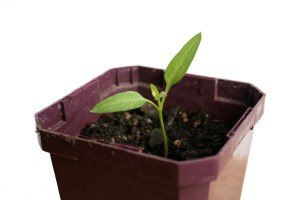 I’ve been posting about our relationship to the Word of God. Specifically, how it works as seed in our lives. While I am responsible to accept God’s Word into my life, there is another aspect that I have no control over.
He also said, “This is what the kingdom of God is like. A man scatters seed on the ground. Night and day, whether he sleeps or gets up, the seed sprouts and grows, though he does not know how. All by itself the soil produces grain – first the stalk, then the head, then the full kernel in the head. As soon as the grain is ripe, he puts the sickle to it, because the harvest has come.”
Mark 4:26-29
One of the most important concepts for us to understand is that the Kingdom of God is all about the Word being planted. This is a part of all that we do as believers.
As a pastor, my greatest assignment is to receive the Word in order to plant it again in the lives of those who hear me. Every Christian needs to be planting the Word into the lives of those around them.
With that comes the realization that nothing I do will bring about the growth of that seed, once it has been planted. From then on it’s out of my control. Once you plant the Word into the lives of your friends and family, it is time to wait – and that can be the hardest part.
Sometimes we want to force them to produce fruit. We try to convince and coerce. That’s usually when we start to push them further away. We need to learn to plant, then step back and let God provide the increase.
The Word, by its very nature, begins to grow below the surface. It cannot be stopped, but neither can it be hurried along. It goes at the pace God has set for it. One thing is certain; it will produce the harvest that God intended it to bring forth. This thought was echoed by the apostle Paul.
I planted the seed, Apollos watered it, but God made it grow. So neither he who plants nor he who waters is anything, but only God, who makes things grow.
1 Corinthians 3:6-7
We all have our part to play in the Kingdom of God. Some of us plant the seed and some water it. None of us can make it grow, that’s God’s department. The only help we can give it, once it’s planted, is in the watering process.
Question: Have you ever caused bigger problems by trying to force the Word of God to grow in someone?
© Nick Zaccardi 2013
Tags: accept God's word, beyond my control, coerce, control, convince, force, God makes growth, God's word, growth, increase, kingdom of God, patience, plant, plant the word, produce fruit, receive the word, the word, wait, water the seed, word of God
 In my last post I talked about how the work of salvation was started in your life. But that’s not the end of it. The Word has a greater job to do in you.
Therefore, get rid of all moral filth and the evil that is so prevalent and humbly accept the word planted in you, which can save you.
James 1:21
James is writing to the church in this passage of Scripture. As I’ve stated before, I believe that the book of James was the first New Testament Scripture to be written. If that’s true, then the Word he refers to could not be the Bible, since that was unknown at this point in church history.
What James is telling us is that the Word has been planted in us and is continuing to grow in us. It’s there to change us. Actually, what he says in the original Greek, is that this seed has the power (dunamis) to save your soul. James is telling us to allow the seed of the Word to do its job, the saving of our souls.
Wait a minute! I thought that if I accepted Christ, then I’m saved already. The answer to that is an important one. Yes, you were saved from sin and hell. If you died right now you would go to heaven to be with the Lord.
However, in the broadest sense, salvation is not a one time thing. It’s ongoing. I’m saved (from sin and hell), I’m being saved (from the effects of sin in me), and I will be saved (from my flesh). It’s this ongoing process of salvation that James is writing about.
Salvation itself is a package deal. It includes everything that Christ paid for on the cross. That same Word that brought me over from death to life also works God’s health and provision in me. But for this to work, it has to start in my soul and work its way out.
That’s why the Word is called a seed. Much of its work is done in the unseen places, below the surface. Then, as it continues its work, it bursts out into the sunlight to bring the work in my life to completion – the bearing of fruit.
The question may arise – where does the seed come from? The answer is simple. It comes from the processes of the Spirit. The seed grows, produces the plant and then the fruit. The fruit itself contains more seed. That seed is then planted in new ground to produce even more – and the cycle continues.
So, in reality, the seed comes from those who at one time received the Word, allowed it to grow, and then brought forth fruit. The seed comes from someone who accepted the Word. According to the parables of Christ, there can be 30, 60, or even 100 times what was originally sown. God wants an abundant harvest. The greater the harvest, the greater the next planting will be.
Question: How much has your life changed since you first made Christ Lord of your life?
© Nick Zaccardi 2013
Tags: bearing fruit, Christ, church, cross, dunamis, effects of sin, flesh, future, God's word, grow, growth, harvest, hell, James, Jesus, living saved, ongoing salvation, past, power, present, process, process of salvation, salvation, save your soul, saved, savior, sin, word, word of God, word planted
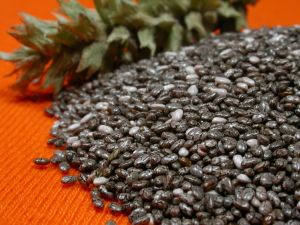 In many of my posts I talk about the relationship between the Word of God and the Scripture. The Bible is the written Word of God. But we also need to hear the Word from the Holy Spirit. This is where the power of God intersects with our lives.
For a few posts I want to write about how the Word of God relates to us. The Bible teaches that we must correctly handle the Word of Truth. In order to do that I must be studying the Scripture – the written record of God’s Word – so that I can handle the Word I receive from God today.
In this way the word of the Lord spread widely and grew in power.
Acts 19:20
The Bible uses many terms in relation to the Word of God. It uses language such as spread, increased, grew, reached and multiplied. In the above verse we’re told how. The verse says in this way. If you read through this nineteenth chapter of the Book of Acts you’ll get a taste for the effects of the Word.
We see the gifts of tongues and prophecy being manifested. There was boldness in preaching. Handkerchiefs and aprons that touched Paul were taken to the sick and they were healed. Demonic spirits were confronted and expelled. There was widespread repentance such that a group of new believers burned the equivalent of $5,000,000 worth of satanic sorcery books.
That’s the way the Word of God is described as growing. Literally, the above verse says that the Word became a force to be reckoned with. The Word of God is alive and it grows. That’s the aspect that I want to discuss in this series of posts.
For you have been born again, not of perishable seed, but of imperishable, through the living and enduring word of God.
1 Peter 1:23
We’ve been saved by the living Word of God. That Word is a seed that’s growing inside of us. It will never decay or diminish. It’s there forever.
Somewhere along the line somebody spoke God’s Word to you. It doesn’t matter whether they used the Bible or not – you heard a Word from God that changed your life. It might have been a Bible verse, a word of prophecy, or a statement of divine truth. Either way, you received it, it grew inside of you, and eventually you accepted Jesus Christ and were born again.
That’s how the Word of God starts its work in you. The fact that you’ve established Christ as your Lord and Savior is proof that the Word has taken residence in you. Now it’s up to us what we do with that seed.
Question: What was the Word of God that brought salvation into your life?
© Nick Zaccardi 2013
Tags: a force to be reckoned with, Bible, born again, Christ, correctly handle, God's seed, God's word, grew, Holy Spirit, increased, Jesus, multiplied, saved, Scripture, seed of the word, spread, word, word of God, word of truth
 We live in an age of hero worship. It seems that people are more inclined to follow those with the most glitz and showmanship. It has, unfortunately, carried over into the body of Christ.
When it comes to the teachings we accept, how do we decide who to listen to? We need to be asking the right questions. This was something that was clearly portrayed in the ministry of Christ.
The following is taken from the Scriptural passage found in the Gospel of Luke 4:16-40. You will want to read that first to understand what I share in this post.
In that section of Scripture, Jesus preaches at two different synagogues. One was in His hometown of Nazareth, and the other in Capernaum. In both cases He preached the same message. Knowing that it was the Lord, I am assuming that both messages had the same level of anointing.
In spite of these similarities, only one of the towns, Capernaum, received a blessing out of the visit. It is clear to see from the narrative, that the reason was the questions that they asked themselves as Jesus was ministering.
This is important to us because we are guilty of the same type of attitudes that these people had. I believe that we have missed out on countless blessings because our attitudes got in the way. What makes the difference?
Verse 22 shows the question the people of Nazareth were asking. It demonstrates what they were focusing on.
They spoke well of Him. They were amazed at the words from His lips.
“Isn’t this Joseph’s son?”
They were concentrating on who was speaking – was He all that they were expecting?
Capernaum was a different case altogether. Verse 32 and 36 make it clear that they were amazed at His teaching. They recognized that His Word had power and authority. Who He was and what He looked like didn’t figure into their acceptance of the Word.
As a result, revival fell in Capernaum that day. Demons were cast out and all the sick that lived in that area were healed (Verse 33-40).
We need to learn this lesson. Sometimes the biggest show has the least anointing. On the other hand – there are times God wants to perform great miracles through His “unknown servants”.
We need to be asking, “What is the anointing, authority, and power upon this Word.” How big a following someone has shouldn’t figure into it. It’s all about the spirit behind the message, not the person God is using.
If we keep this in mind, then we’ll find the blessing of God in some of the most unlikely places. We will also open ourselves up to the miraculous.
Question: Have you ever received a blessing from God’s unknown servants?
© Nick Zaccardi 2013
Tags: anointing, asking the right questions, authority, blessing, blessing of God, body of Christ, Christ, expectations, hero, hero worship, Jesus, message, ministry, power, preaching, questions, revival, showman, showmanship, teaching, unknown servants, word, word of God
 I’m posting about the different kinds of soil that Jesus said was contained in our hearts. Today’s is about someone with very good soil. It produced bountifully. The problem was that it wasn’t producing fruit.




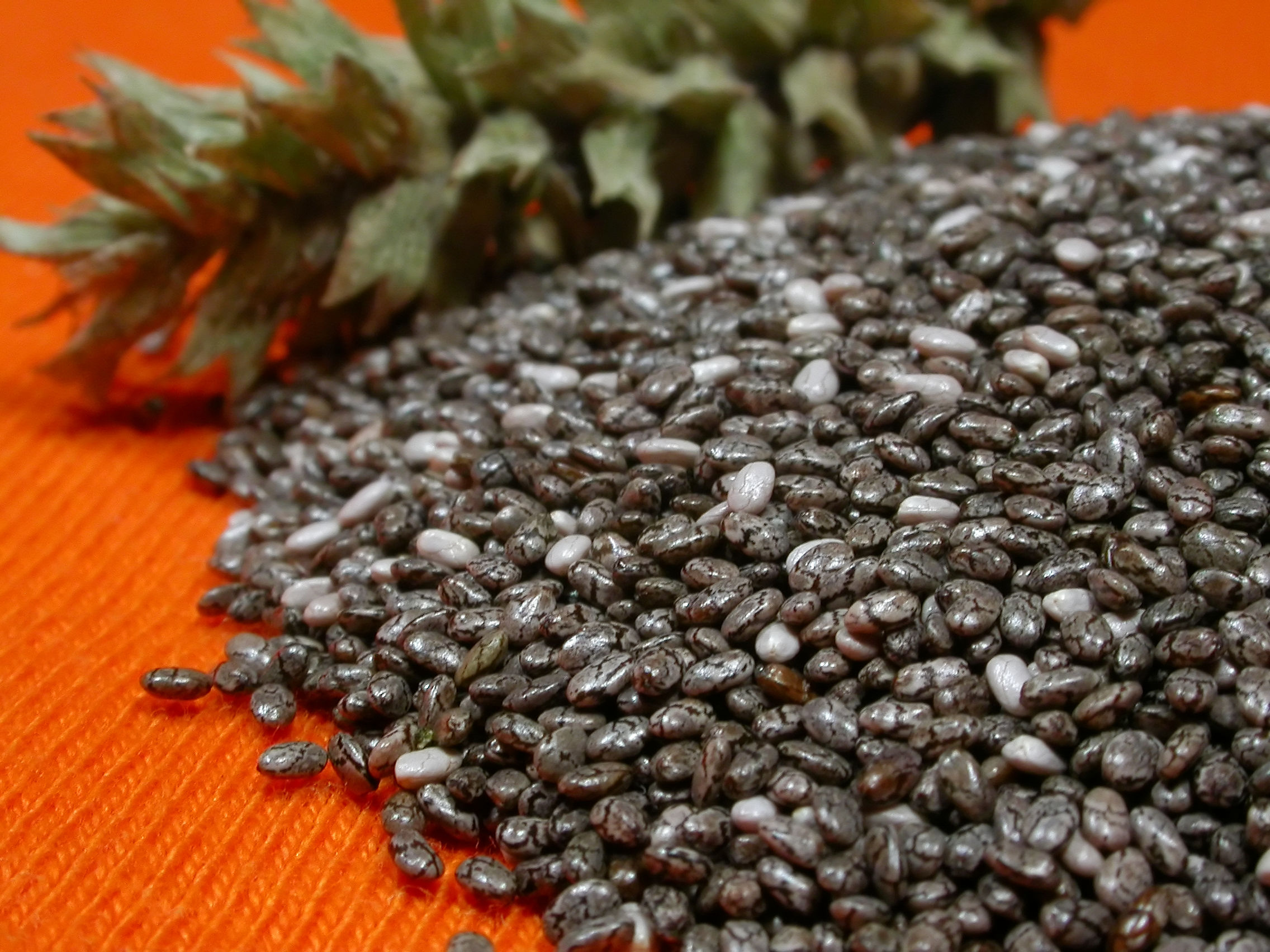



 The Spirit and the Word